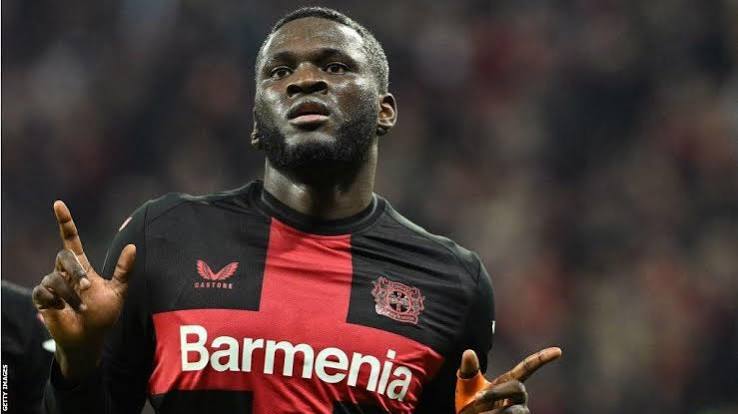
Destiny Boy is a Nigerian singer who gained attention for his energetic musical style and ability to bring a modern touch to traditional Fuji music. He became popular among music lovers through his unique sound, catchy performances, and entertaining songs. His journey into the Nigerian music industry reflects the growing influence of young artists who are finding creative ways to combine indigenous sounds with contemporary Afrobeats.
Destiny Boy is particularly associated with Fuji-inspired music, a style that has helped him develop an identity among listeners who enjoy Nigerian street music. His growing recognition has also made people curious about his background, age, family, musical journey, popular songs, and financial success.
Destiny Boy Biography: Personal Information
Destiny Boy was born Afeez Adesina (also reported as Afeez Adeshina) and was a Nigerian Fuji-pop and Afrofuji singer. He was born into the Adeshina family and grew up in Agege, Lagos State, where the local music culture influenced his artistic development. He became known for blending traditional Fuji rhythms with contemporary Nigerian sounds.
| Category | Information |
| Real Name | Afeez Adesina |
| Stage Name | Destiny Boy |
| Nationality | Nigerian |
| Birthplace | Agege, Lagos State, Nigeria |
| Date of Birth | Reported as June 24, 2003 or 2004 |
| Age at Death | 22 years |
| Profession | Singer and Songwriter |
| Music Genre | Afrofuji, Fuji-pop, Afrobeats |
| Popular Song | Lamba |
| Partner | Oluwatoyin Adeshina (reported by family) |
| Child | One son |
| Date of Death | January 17, 2026 (family announcement) |
The family announcement and Nigerian media reports provide information about his life and passing. Some online biographies differ on his birth year, so the exact date should be treated with caution.
Destiny Boy's Early Life and Family Background
Destiny Boy grew up in Agege, a busy area of Lagos known for its vibrant street culture and strong connection to Nigerian music. His surroundings played an important role in shaping his interest in Fuji music. From an early age, he was exposed to traditional Nigerian sounds as well as popular contemporary songs.
Music was more than a casual interest for him. He developed a passion for performing and wanted to build a career in the entertainment industry. His family background was not widely documented, but reports indicate that his parents supported his early musical interests.
He began pursuing music while still very young. Instead of waiting until adulthood, he started getting involved in music studios and performances as a teenager. This early exposure helped him understand the entertainment business and develop confidence in front of audiences.
How Destiny Boy Started His Music Career
Destiny Boy's musical journey began at T2 Boys Studios in Agege, Lagos. During his early career, he worked as a backup dancer for popular Nigerian Fuji musician Pasuma. This opportunity exposed him to professional music performances and helped him understand how experienced entertainers connected with audiences.
Working around established musicians gave him valuable experience. He learned about stage performance, rhythm, entertainment, and the importance of creating a strong connection with listeners.
His early experience also helped him develop his own musical identity. Rather than simply copying traditional Fuji performers, he wanted to create something that younger Nigerian audiences could enjoy.
That creative direction eventually became an important part of his identity as an Afrofuji artist.
Destiny Boy Became Popular Through Davido's If Cover
One of the biggest turning points in Destiny Boy's career was his Fuji-style cover of Davido's popular song If.
The original track was already widely recognized among Nigerian music fans. However, Destiny Boy gave it a different musical direction by combining its familiar melody with Fuji-inspired rhythms.
The cover attracted attention on social media and helped introduce him to a much wider audience. Many listeners appreciated the unusual combination of contemporary Afrobeats and traditional Fuji sounds.
His performance demonstrated that popular songs could be reinterpreted in creative ways. It also helped establish his reputation as a young entertainer with a distinctive musical approach.
After receiving attention for the cover, he continued experimenting with other popular Nigerian songs. This strategy helped him build an audience before concentrating more heavily on his original music.
Destiny Boy's Music Style and Genre
Destiny Boy was associated with Afrofuji, a musical style that combines elements of traditional Fuji music with modern African popular music.
Traditional Fuji music has a long history in Nigeria, particularly among Yoruba-speaking audiences. It is recognized for its energetic percussion, rhythmic arrangements, vocal delivery, and lively performances.
Destiny Boy brought a youthful approach to this musical tradition. His songs often featured catchy melodies, energetic rhythms, and contemporary production techniques.
His musical identity helped him reach listeners who enjoyed both traditional Nigerian music and modern Afrobeats.
He also demonstrated that indigenous Nigerian musical styles could remain relevant to younger generations when presented with fresh arrangements.
Popular Songs by Destiny Boy
Throughout his career, Destiny Boy released several songs that attracted attention among Nigerian music listeners. Some of his tracks became associated with his energetic musical personality and Fuji-inspired sound.
Here are some notable songs associated with his career:
| Song Title | Description |
| Lamba | One of his recognized music releases |
| One Transaction | A popular track associated with his discography |
| Billion Dollar | A song that attracted listeners |
| Mio Gbonkankan | One of his recorded songs |
| Lowkey | A recognizable release |
| Gbese | An energetic Afrofuji track |
| Teramo | A song listed in his music catalogue |
| Omo Better | One of his known releases |
| Jogodo | A track associated with his music career |
| Time Is Money | Another recorded song |
These songs helped demonstrate his interest in combining modern Nigerian music with Fuji-inspired arrangements.
Destiny Boy's Musical Influence and Recognition
Destiny Boy's musical contribution was connected to his ability to introduce Fuji-inspired arrangements to a younger audience.
At a time when Afrobeats was receiving international attention, he represented a different creative direction. Instead of following only mainstream pop trends, he maintained a connection with Yoruba musical traditions.
His approach showed that Nigerian artists could build recognizable identities by combining local musical influences with modern production.
He also became an example of how social media could help young entertainers reach audiences without relying entirely on traditional music promotion.
His early success encouraged interest in his original songs and performances. Although his career was relatively short, his musical identity made him recognizable among fans of Afrofuji music.
Destiny Boy's Education
Destiny Boy's education is another subject that has attracted interest among his fans. According to biographical reports, he attended school in Agege, Lagos State.
One report identified God Living Praise School in Agege as his school. However, publicly available information about his complete educational history is limited.
His early involvement in music meant that he spent considerable time developing his entertainment career while growing up. Despite the challenges of balancing education and music, he continued pursuing his passion.
His story illustrates how some young Nigerian entertainers begin developing their talents long before reaching adulthood.
Destiny Boy's Wife, Partner and Children
Destiny Boy kept much of his private life away from public attention. However, information about his family became more widely known following the announcement of his death.
According to the family's announcement, he was married to Oluwatoyin Adeshina. The couple welcomed a son, Adeshina Usman Obatide, on November 12, 2024.
Becoming a father was an important part of his personal journey. Although he was still young, he had already started building a family while pursuing his musical ambitions.
His family requested privacy following his passing.
Destiny Boy's Net Worth
Destiny Boy earned recognition through his music career, performances, and entertainment activities. However, his exact financial position was never officially confirmed.
Some online celebrity biography websites previously estimated his net worth at approximately $50,000. This figure should be treated as an unverified estimate rather than an officially confirmed amount.
His potential sources of income included:
1. Music Streaming and Sales: His recorded songs could generate revenue through digital music platforms and other distribution channels.
2. Live Performances: As a performing artist, he participated in musical events and entertainment shows.
3. Music Collaborations: Working with other musicians helped him reach new audiences and develop professional opportunities.
4. Brand Promotions: Artists can earn money through promotional partnerships, although his confirmed endorsement earnings are not publicly available.
5. Music Videos: His musical releases and video projects contributed to his visibility in the entertainment industry.
It is important not to confuse online estimates with verified financial records. His actual net worth remains unknown.
Destiny Boy's Death: What Happened?
One of the saddest events in his story was his sudden death in January 2026.
News of Destiny Boy's passing emerged on January 18, 2026, shocking fans and members of the Nigerian entertainment industry. He was 22 years old.
Following the news, several reports discussed the circumstances surrounding his death. His family later explained that he had been dealing with a long-term illness and had received different forms of treatment.
The Ogun State Police Command confirmed that an investigation had begun into his death. Police also announced that a suspect had been arrested and that the case had been transferred to the State Criminal Investigation Department's Homicide Section.
It is important to distinguish confirmed information from social media speculation. The exact circumstances should not be presented as established facts beyond the official investigation and statements available at the time.
Destiny Boy's Legacy in the Nigerian Music Industry
Although Destiny Boy's life and career ended at a young age, his music remains part of the Nigerian entertainment conversation.
His journey from a young performer in Agege to a recognized Afrofuji artist demonstrated the importance of creativity, consistency, and musical identity.
His Fuji-style version of Davido's If introduced many listeners to his talent. His later original songs helped establish him as more than an artist known for musical covers.
He also represented a generation of Nigerian performers interested in keeping indigenous musical traditions alive through modern sounds.
His passing was a major loss to his family, fans, and supporters. His recorded music continues to provide a way for listeners to remember his artistic contribution.
Frequently Asked Questions (FAQs) About Destiny Boy
Q1. What is Destiny Boy's real name?
A. Destiny Boy's real name was Afeez Adesina, also reported as Afeez Adeshina in Nigerian media publications.
Q2. How old was Destiny Boy when he died?
A. Destiny Boy was 22 years old when he passed away in January 2026.
Q3. Where was Destiny Boy born?
A. He was associated with Agege, Lagos State, Nigeria, where he grew up and began developing his musical career.
Q4. What type of music did Destiny Boy sing?
A. He was known for Afrofuji, Fuji-pop, and Afrobeats-inspired music. His style combined traditional Fuji rhythms with contemporary sounds.
Q5. Which song made Destiny Boy popular?
A. His Fuji-style cover of Davido's hit song If helped him gain widespread attention as a young Nigerian singer.
Q6. Who was Destiny Boy's wife?
A. According to the family announcement, Destiny Boy was married to Oluwatoyin Adeshina.
Q7. Did Destiny Boy have a child?
A. Yes. He had a son named Adeshina Usman Obatide, who was born on November 12, 2024.
Q8. What was Destiny Boy's most popular song?
A. Some of his recognized songs include Lamba, One Transaction, Billion Dollar, Lowkey, Gbese, and Mio Gbonkankan.
Q9. What was Destiny Boy's estimated net worth?
A. Some online sources previously estimated his net worth at around $50,000. However, there is no verified public financial statement confirming this amount.
Q10. When did Destiny Boy die?
A. Destiny Boy passed away in January 2026. His family announcement gave January 17, 2026, as his date of death.
Q11. How did Destiny Boy start his music career?
A. He began his journey at T2 Boys Studios in Agege, where he worked as a backup dancer for Fuji musician Pasuma before gaining attention through his musical covers.
Conclusion
Destiny Boy was a talented Nigerian Afrofuji singer whose musical journey began at a very young age. Through his Fuji-inspired covers, original songs, and energetic performances, he developed a recognizable identity in the Nigerian entertainment industry.
His cover of Davido's If played an important role in introducing him to a wider audience, while songs such as Lamba, One Transaction, and Billion Dollar helped build his musical catalogue.